The Best Fluffy Pancakes recipe you will fall in love with. Full of tips and tricks to help you make the best pancakes.
Shop Butter Pat cast iron skillets and pans. Discover smooth, lightweight, and durable cast iron cookware from Butter Pat Industries.
Built to Outlast Generations
Authentic Craftsmanship
Each piece is sand-cast by hand in a small Pennsylvania foundry using traditional methods unchanged since the 1800s.
Lighter Than Expected
The thoughtfully designed handles and balanced weight distribution mean you can actually flip, toss, and maneuver your cookware without a gym membership.
Ready to Cook
Unlike mass-produced cast iron that arrives with rough, pebbly surfaces, Butter Pat skillets feature a polished cooking surface from day one.
Best Sellers
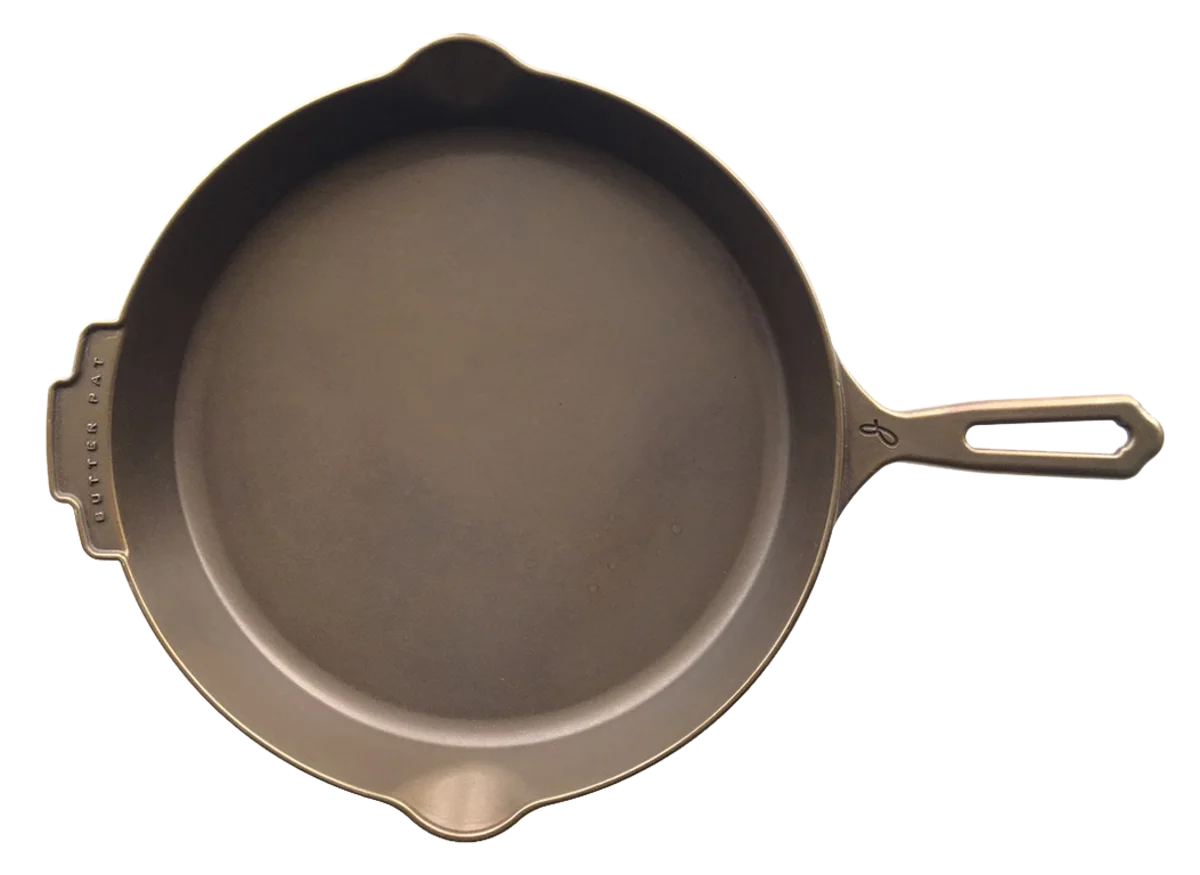
Butter Pat Joan Cast Iron
The Butter Pat cast iron frying pan is oven-safe, works on induction cooktops, weighs 6.3 lbs, and comes with a 100-year warranty.
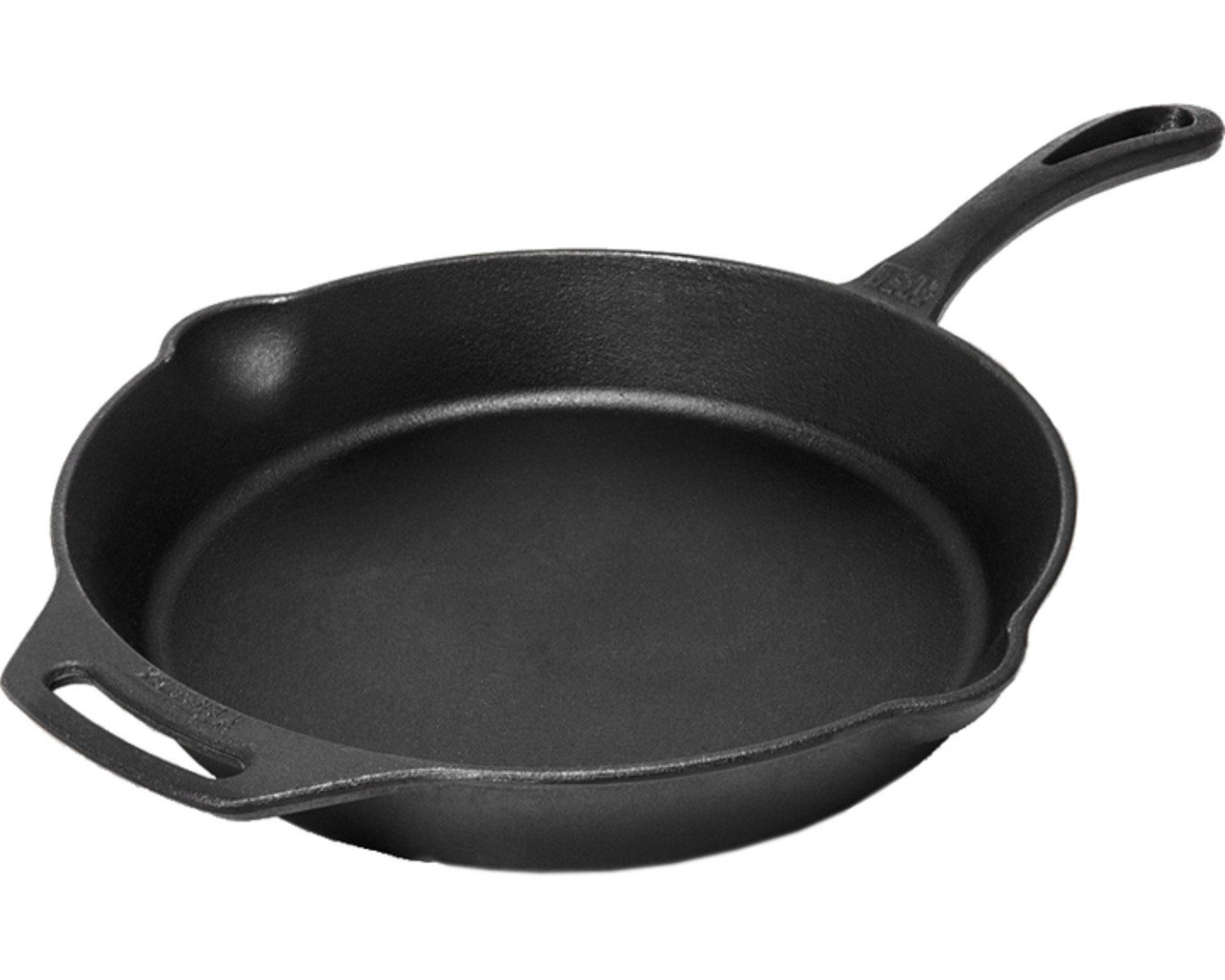
Cast Iron Frying Pan with Long Handle
Suitable for frying, stewing, sautéing, baking, and roasting on any heat source – from a campfire to an induction stove.
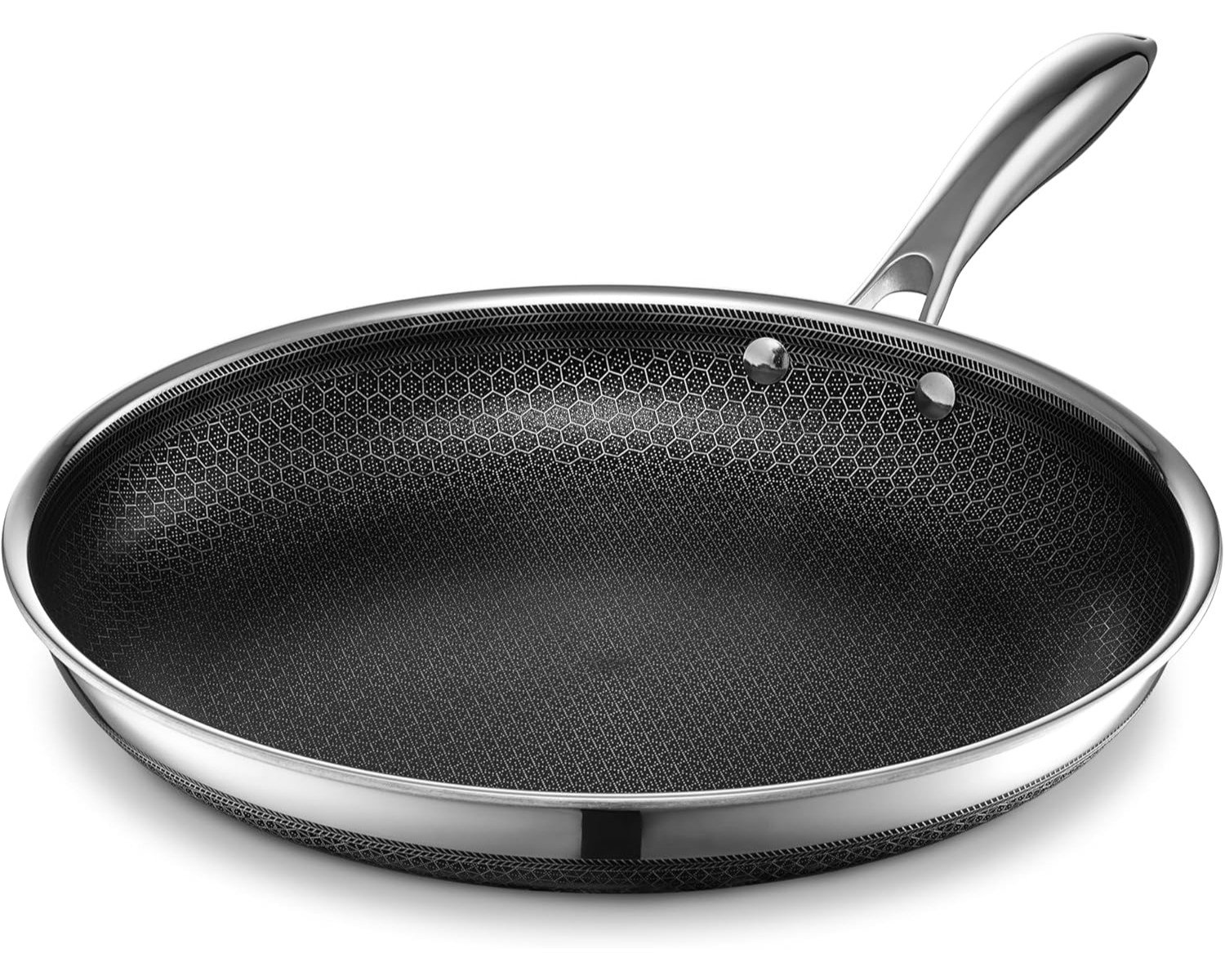
Hybrid Nonstick 12-Inch Frying Pan
The go-to choice for many cooks, offering the perfect size for frying, sautéing, and preparing family dinners or one-pot meals.
From the Forge
Behind-the-scenes stories, cast iron myths debunked, and the occasional secret from generations of metalworkers.
Categories
Forged From Tradition
Butter Pat Cast Iron started in a backyard workshop with one simple frustration: why did our great-grandmothers’ skillets cook better than anything made today? We spent years studying vintage American ironware, tracking down century-old foundry techniques that had been abandoned for cheaper methods. What we discovered changed everything — it wasn’t nostalgia making those old pans superior, it was the craftsmanship.
Today, we pour each piece by hand using the same exacting standards that made American cast iron legendary before mass production took over. Our skillets are lighter than modern cast iron (your wrists will thank you) with a surface that’s smooth as glass right out of the box. No more wrestling with rough, heavy pans that take years to season properly. We named ourselves after the butter pat — that small, perfect thing that transforms simple ingredients into something extraordinary.
This isn’t about chasing trends or reinventing the wheel. It’s about making ironware the way it should be made, one piece at a time, for cooks who know the difference between good enough and exceptional. Each pan that leaves our Pennsylvania foundry carries forward a tradition that almost disappeared — because some things are worth doing the hard way.
From Kitchens That Know

“My 12-inch skillet arrived pre-seasoned but I gave it another round anyway. Three months in and it’s already outperforming the Lodge I’ve had for years. The smooth finish makes eggs slide around like it’s been in the family for decades.”
Michael T.

“The Joan is an absolute tank. Made shakshuka for 8 people last weekend and the heat distribution was flawless—no hot spots, no burnt edges. It’s heavy, sure, but that’s what you want. This pan will outlive my grandchildren.”
Elena R.

“I was skeptical about spending this much on cast iron, but the machined cooking surface is worth every penny. No more scraping stuck bits off that pebbly texture. This is what cast iron used to be before companies started cutting corners.”
James K.
Cookware Accessories
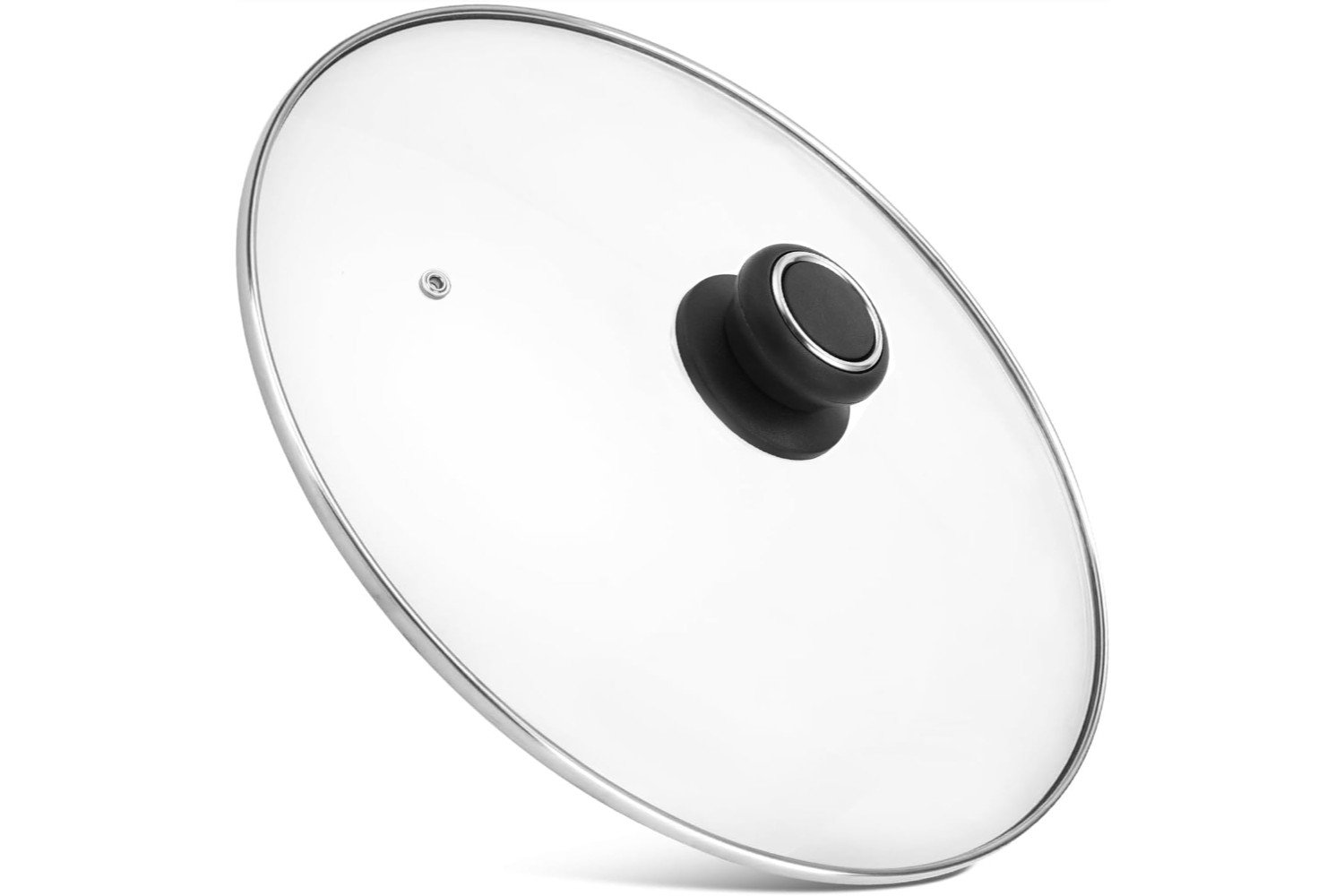
Lids
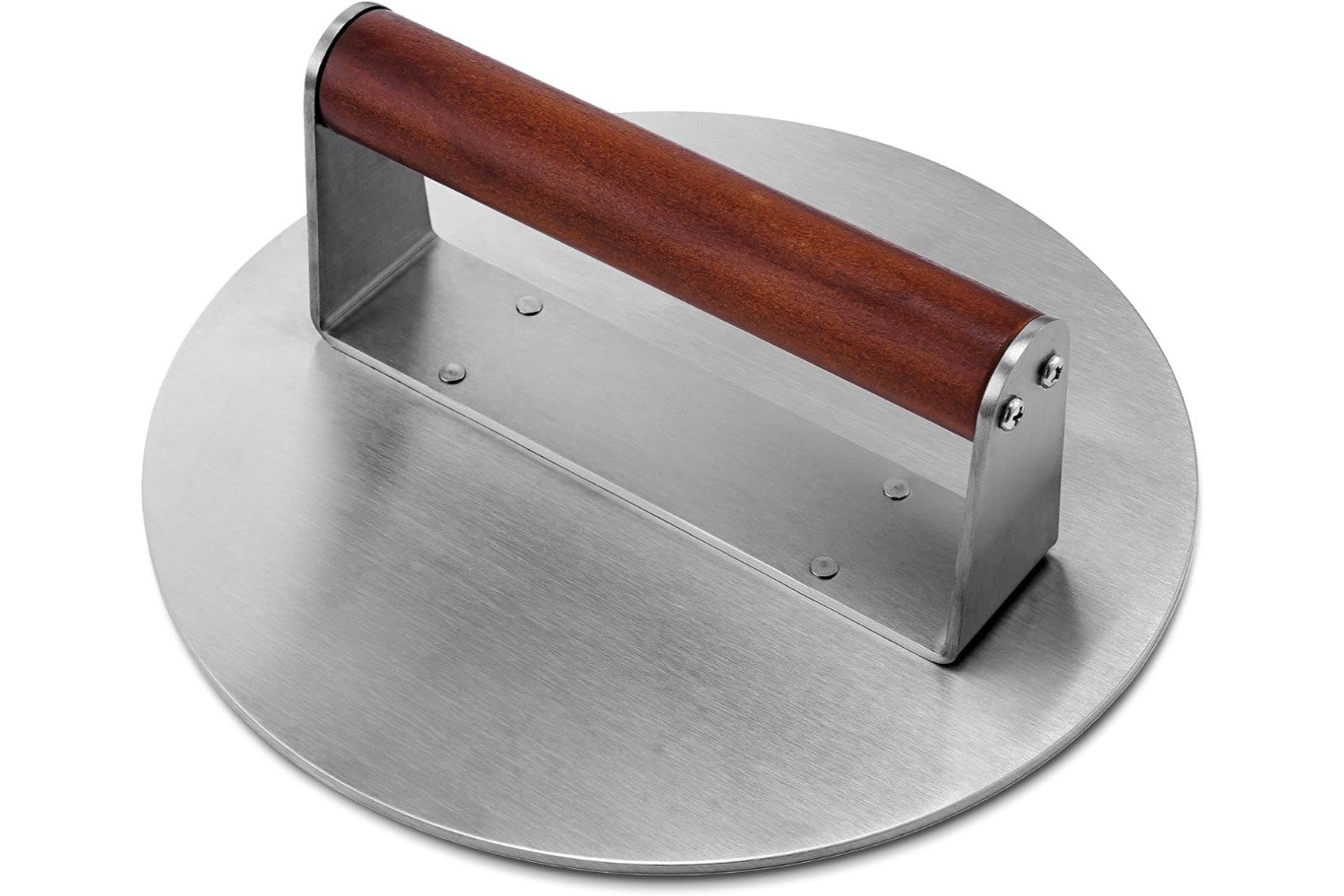
Grill Press
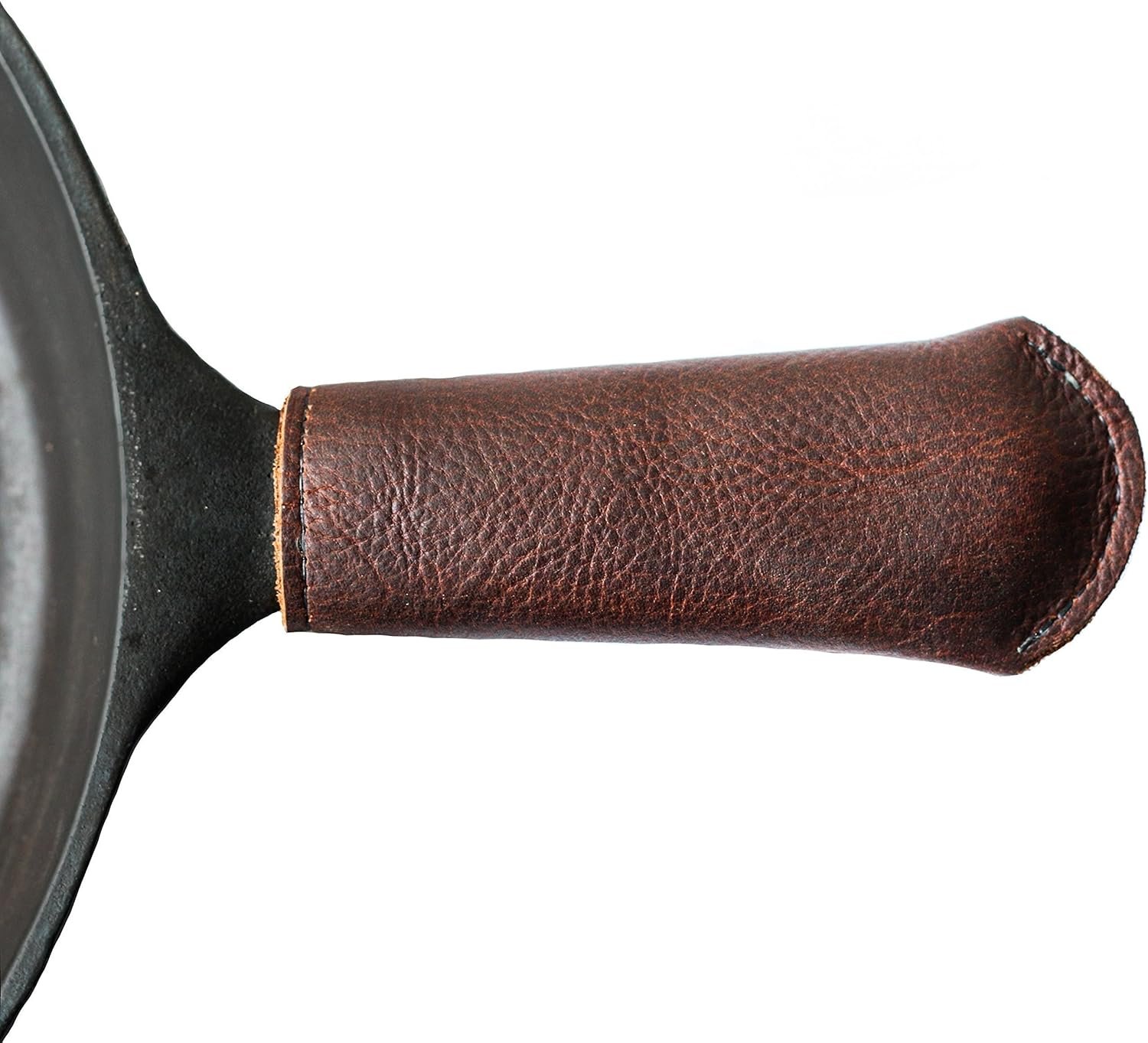
Handle Covers
Common Questions
Most pieces come pre-seasoned and ready to cook with right away. For additional seasoning, apply a thin layer of high-smoke-point oil (like avocado or grapeseed oil) and heat in a 450°F oven for an hour. Let it cool completely in the oven. This process can be repeated 2-3 times for an even stronger seasoning layer.
While the pan is still warm, rinse with hot water and use a stiff brush or scraper to remove food particles. For stubborn residue, a paste of coarse salt and oil works well. Dry thoroughly with a towel, then apply a very light coating of oil before storing. Soap can be used sparingly if needed—modern dish soaps won’t harm established seasoning.
Short cooking times with acidic ingredients are fine in well-seasoned cast iron. For dishes that simmer for extended periods (like tomato sauce or wine-based braises), the acidity may affect the seasoning and impart a metallic taste. Quick sautés or brief simmers pose no issue.
Sticking usually happens when the pan isn’t hot enough before adding food, or when food is moved too soon. Cast iron needs proper preheating—usually 5-10 minutes over medium heat. Food naturally releases when it’s ready to flip. Adding adequate fat or oil also helps prevent sticking.
Yes, especially in newer pieces. The seasoning develops gradually through regular use and proper care. Some areas may appear darker or lighter, which is completely normal. Over time, with consistent cooking and maintenance, the surface will develop a uniform, dark patina.
Light rust can be removed with steel wool or a scrub pad and some elbow grease. After removing all rust, wash and dry completely, then re-season the affected area immediately. For extensive rust, the entire piece may need to be stripped and re-seasoned from scratch using oven cleaner or a lye bath, followed by multiple seasoning cycles.